
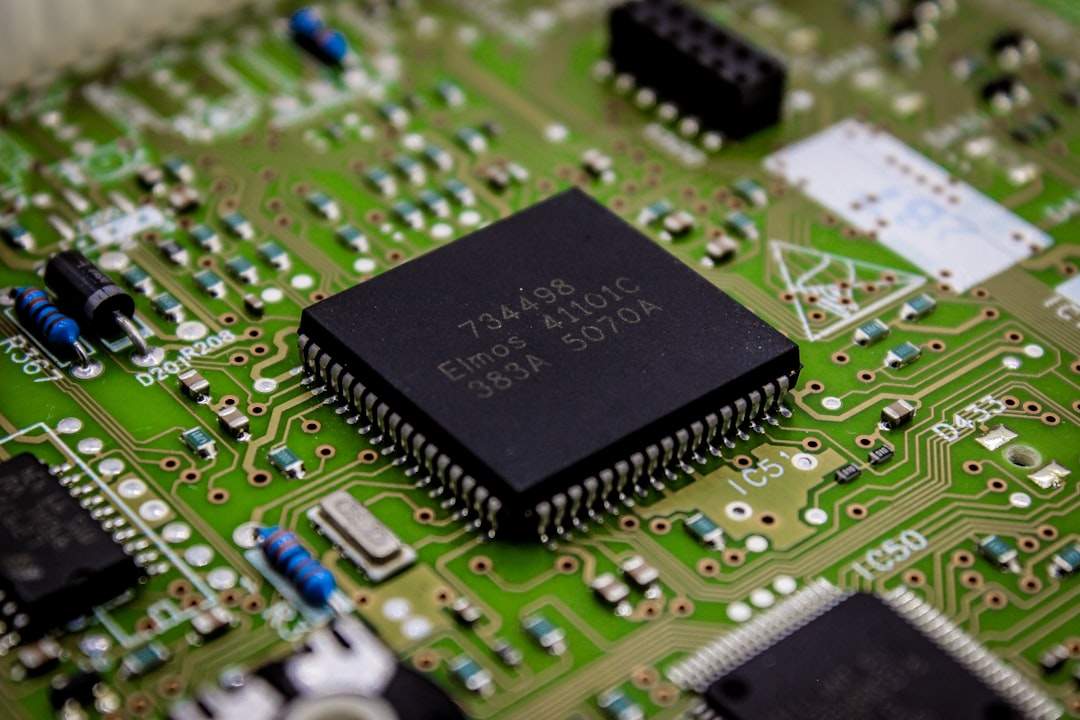
1. The Big Picture: Why This Matters Now

We’re living through what many are calling “RAMageddon” – a period of intense price volatility for semiconductors, especially memory chips. From the latest gaming consoles and AI servers to the smartphones in our pockets, these tiny components are the lifeblood of modern technology. When their prices swing wildly, it impacts everything: the cost of your next laptop, the accessibility of cutting-edge AI, and even the stability of entire industries. This isn’t just a tech issue; it’s a global economic one, affecting both producers and consumers.
1.1. Real Numbers & Global Impact
The current macro indicators paint a complex picture. With the US Fed Funds Rate at 3.64% and the USD/KRW exchange rate hovering around 1509.86 as of April 04, 2026, the global economic landscape adds another layer of complexity to semiconductor market stability. Higher interest rates can dampen demand in some sectors, while currency fluctuations impact the profitability of international trade and investment. These factors, combined with ongoing supply chain pressures, make the semiconductor market a challenging environment. Major players are keenly aware of the need for diversification and resilience to prevent future shocks. You can read more about the broader economic factors influencing the chip market’s ups and downs in this comprehensive Reuters report on global semiconductor trends.
This is precisely why South Korea, a global powerhouse in semiconductor manufacturing with giants like Samsung Electronics and SK Hynix, is strategically deepening its alliance with India. India, with its rapidly growing economy, vast talent pool, and burgeoning domestic demand, is poised to become a critical partner in building a more stable, diversified, and innovative global semiconductor ecosystem. This deep-tech collaboration isn’t just about moving factories; it’s about co-developing next-generation technologies, fostering R&D, and creating robust, redundant supply chains that can withstand future disruptions.
2. Market Winners & Losers
| Company / Player | Current Status | Global Outlook |
|---|---|---|
| Samsung Electronics | Global leader in memory (DRAM, NAND) and a major foundry player. Pioneering advanced packaging tech. | Expanding R&D and manufacturing presence in India. Key beneficiary of diversified supply chains and new design talent. |
| SK Hynix | Second-largest memory chipmaker globally. Strong in high-bandwidth memory (HBM) for AI. | Investing in future memory technologies and exploring strategic partnerships for R&D and talent development in India. |
| Tata Elxsi | Leading Indian provider of design and technology services, specializing in embedded product design. | Crucial local partner for software, design, and validation. Poised to grow significantly as India becomes a chip design hub. |

2.2. What Should Investors Watch?
For investors, this alliance presents a fascinating long-term play. The shift towards greater supply chain resilience and diversification means less dependence on single geographic regions. Companies like Samsung and SK Hynix stand to gain from reduced risks and access to new markets and talent. Indian companies, particularly in design and embedded systems like Tata Elxsi, are set to benefit immensely from technology transfer, joint ventures, and increased demand for local expertise. Keep an eye on R&D spending, new fab announcements in India, and any government incentives supporting this collaboration. The broader impact will be felt across industries, from the latest consumer electronics to advanced AI infrastructure, which means more exciting K-Tech Gadgets making their way to global markets.
3. Final Thoughts from Seoul

The alliance between South Korea and India in deep-tech semiconductors is more than just a business deal; it’s a strategic move towards a more robust and innovative global future. By combining Korea’s advanced manufacturing prowess and R&D capabilities with India’s burgeoning talent pool and market potential, the world could see a significant step forward in stabilizing supply chains and accelerating next-generation innovations. This collaboration could lead to breakthroughs not just in memory and logic chips, but in specialized semiconductors for AI, automotive, and IoT applications, benefiting everyone from individual consumers to large-scale industries.
What to Expect Next
Expect continued investment from Korean companies into India’s semiconductor ecosystem, focusing on design centers, packaging facilities, and eventually, possibly even fabrication. We’ll likely see more joint research initiatives and talent exchange programs, creating a powerful synergy. The goal is not just to produce chips, but to innovate them together, pushing the boundaries of what’s possible in artificial intelligence, high-performance computing, and sustainable technology.
Common Questions Answered
A1. “RAMageddon” refers to the current high volatility and unpredictable price swings in the global market for RAM (Random Access Memory) and other essential semiconductor chips. You should care because these fluctuations directly impact the cost and availability of everything from your next smartphone and gaming PC to enterprise-level AI servers, making tech more expensive or harder to get.
A2. India benefits immensely from technology transfer, job creation, and the development of a highly skilled local workforce in advanced semiconductor fields. It’s not just about manufacturing; it’s about building a robust domestic ecosystem for chip design, R&D, and packaging, positioning India as a significant global player in deep tech and reducing its reliance on imported components.

Hi, I’m Dokyung, a Seoul-based tech and economy enthusiast. South Korea is at the forefront of global innovation—from cutting-edge semiconductors to next-gen defense technology. My mission is to translate these complex industry shifts into clear, actionable insights and everyday magic for global readers and investors.