
1. The Big Picture: Why This Matters Now

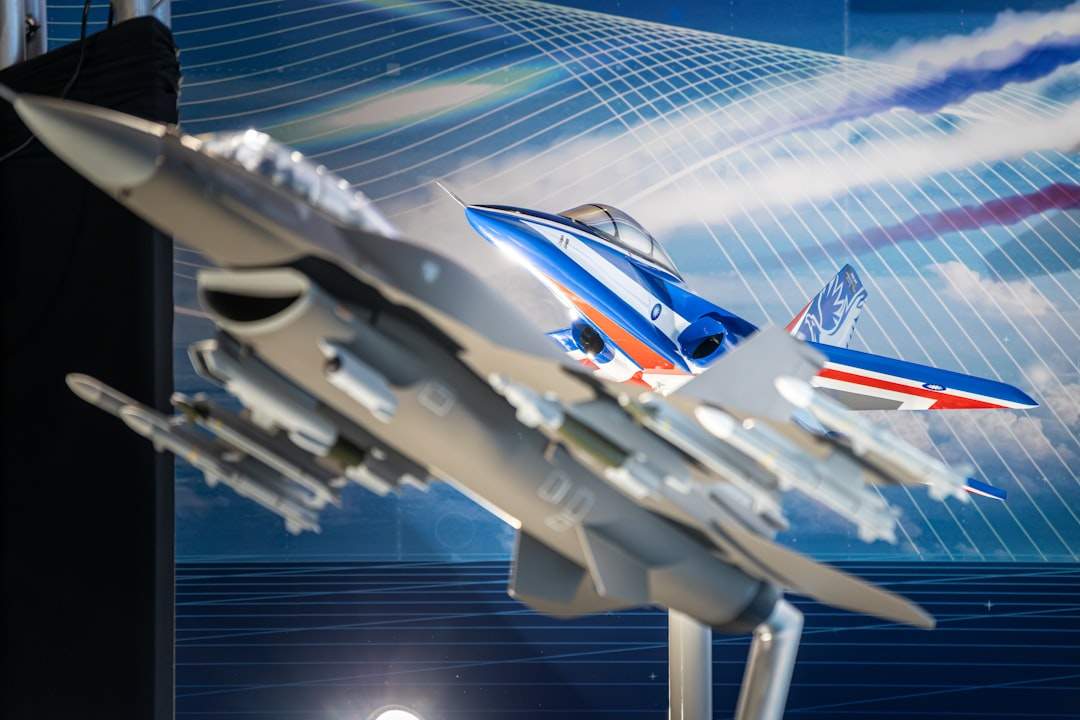
The global security landscape is shifting faster than ever, and with it, the strategic priorities of nations worldwide. Europe, in particular, is navigating a complex web of challenges, from persistent instability in regions like the Middle East to the lingering volatility in energy markets. This confluence of factors is creating an unprecedented demand for reliable, high-performance defense solutions, and South Korea’s K-Defense industry is stepping up to the plate, becoming a surprising yet powerful new anchor. What was once primarily a regional player is now a significant global contender, offering advanced technology, rapid production capabilities, and a willingness to engage in strategic partnerships that go beyond simple sales. This pivot isn’t just about selling hardware; it’s about fostering deeper security relationships that reshape global alliances.
1.1. Real Numbers & Global Impact
The economic backdrop for this shift is compelling. With the US Fed Funds Rate currently at 3.64%, and the USD/KRW exchange rate hovering around 1509.86, Korean defense exports become particularly attractive. A stronger dollar makes South Korean goods relatively more affordable for many international buyers, enhancing the competitive edge of K-Defense products. European nations, traditionally reliant on a few key suppliers, are now actively seeking diversification to bolster their strategic autonomy and supply chain resilience. This quest has led them to Seoul, where a robust industrial base, honed by decades of intense domestic demand and advanced R&D, is ready to deliver. For instance, recent reports indicate a significant surge in demand for armaments across Europe, reflecting a renewed focus on national defense and strategic stockpiling. You can explore more about this trend and its implications for global defense spending on Reuters. South Korea’s ability to quickly scale production and offer competitive pricing, often with technology transfer agreements, makes it an ideal partner in this urgent new environment.
2. Market Winners & Losers
| Company / Player | Current Status | Global Outlook |
|---|---|---|
| Hanwha Aerospace | A leader in self-propelled howitzers (K9 Thunder) and multiple rocket launchers (Chunmoo). Strong presence in Eastern Europe. | Expected continued growth in Europe and other regions seeking rapid defense modernization and diversification. Potential for expanded air defense systems. |
| LIG Nex1 | Specializes in precision-guided munitions, anti-ship missiles, and air defense systems. Increasingly gaining international recognition for advanced tech. | High demand for precision weaponry and missile defense systems globally. Opportunities in Southeast Asia and Middle East, alongside European interest. |
| Hyundai Rotem | Producer of the K2 Black Panther main battle tank and various armored vehicles. Key supplier for ground forces modernization. | Significant orders from Europe, particularly for tanks and armored vehicles. Strong potential for further exports as nations upgrade ground capabilities. |
| Traditional European Suppliers | Facing increased competition but also benefiting from overall market expansion. Focus on high-end, bespoke solutions and R&D. | Adapting to a more diversified market. Potential for joint ventures and strategic alliances with new entrants like K-Defense firms. |

2.2. What Should Investors Watch?
For investors, the K-Defense sector offers a compelling narrative of growth driven by global necessity. The industry’s agility in responding to urgent demands, coupled with its advanced manufacturing capabilities, positions it well for sustained success. We’re seeing strategic collaborations emerge, such as South Korea’s deeper defense dialogue with France, focusing on future technologies and interoperability, rather than just transactional sales. Similarly, partnerships with nations like Indonesia, involving co-production and technology transfer for submarines and aircraft, demonstrate a commitment to long-term strategic relationships that build local industrial capacity. This approach helps cement K-Defense as a reliable, collaborative partner, not just a seller. Keeping an eye on these evolving partnerships and new contract announcements, especially those involving significant technology transfer clauses, will be key to understanding the next wave of growth. If you’re interested in diving deeper into the nuances of these developments, our K-Defense category offers a wealth of insights.

Hi, I’m Dokyung, a Seoul-based tech and economy enthusiast. South Korea is at the forefront of global innovation—from cutting-edge semiconductors to next-gen defense technology. My mission is to translate these complex industry shifts into clear, actionable insights and everyday magic for global readers and investors.