
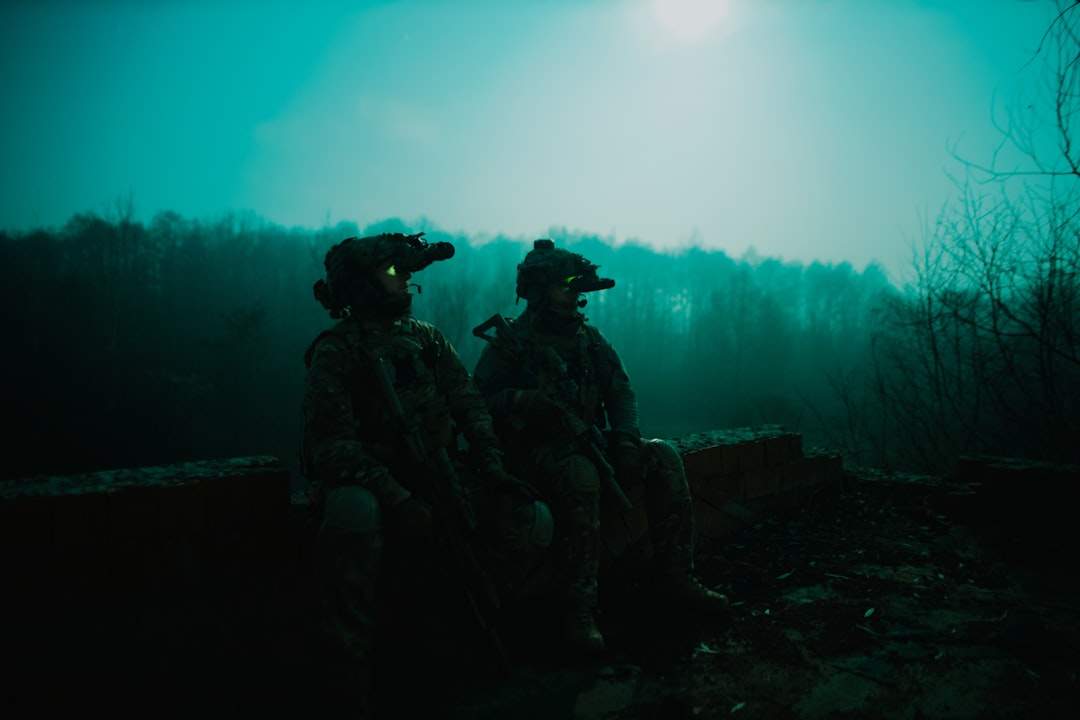
1. The Big Picture: Why This Matters Now

It’s April 2026, and the global landscape feels more interconnected and volatile than ever. While headlines often focus on escalating tensions, particularly amidst Middle East conflicts and their ripple effects on the global economy, a quieter, yet profoundly impactful, shift is underway. South Korea, a nation historically known for its remarkable economic growth and cultural exports, is rapidly emerging as a pivotal force for stability in global security. This isn’t just about advanced technology; it’s about a strategic evolution that positions Seoul as a reliable partner in an increasingly complex world.
1.1. Real Numbers & Global Impact
South Korea’s journey from a post-war aid recipient to a global defense powerhouse is nothing short of remarkable. Forged over decades by a steadfast alliance with the United States – an alliance continually reinforced by joint efforts, even extending to ongoing Korean War joint probes that symbolize enduring commitment – South Korea developed a robust, self-reliant defense industry. Today, this industry is not only meeting its own security needs but is also exporting cutting-edge systems to allies worldwide. The demand for reliable, high-tech defense solutions is soaring, especially as global supply chains face pressures and economic uncertainties persist. With the US Fed Funds Rate at 3.64, influencing global capital flows, and the USD/KRW exchange rate at 1509.86, making South Korean exports potentially more attractive, the stage is set for continued growth. Recently, strategic partnerships, such as those with France in areas like advanced aerospace and naval technologies, are further diversifying South Korea’s global reach and technological sophistication. This collaborative approach enhances interoperability and strengthens collective security, as highlighted by analyses on the growing global footprint of South Korean defense firms. You can read more about this trend here.
2. Market Winners & Losers
| Company / Player | Current Status | Global Outlook |
|---|---|---|
| Hanwha Aerospace | Leading developer of aircraft engines, artillery systems (K9 Thunder), and guided weapons. Expanding into advanced urban air mobility (UAM) and space launch vehicles. | Strong export orders for K9 artillery and other platforms. Poised for growth in next-gen aerospace and defense, driven by R&D and international collaboration. |
| LIG Nex1 | Specializes in precision guided munitions, radar systems, anti-ship missiles, and air defense systems. A key player in South Korea’s advanced missile technology. | High demand for its sophisticated missile and radar technologies globally. Strategic partnerships are expanding its market presence in various defense sectors. |
| Traditional Defense Powers (e.g., US, European firms) | Still dominant, but facing increased competition from South Korean firms offering cost-effective, high-quality, and rapidly deliverable solutions. | Adapting through partnerships and joint ventures to leverage South Korean manufacturing capabilities and accelerate project timelines. |

2.2. What Should Investors Watch?
For investors, the South Korean defense sector presents an intriguing landscape. Companies like Hanwha Aerospace and LIG Nex1 are not just selling hardware; they’re offering integrated solutions, backed by robust R&D and a commitment to innovation. The increasing global demand for reliable defense technology, coupled with South Korea’s ability to deliver high-quality products efficiently, positions these firms for sustained growth. Keep an eye on new export deals, especially those involving collaboration with European partners, as these signify growing interoperability and market penetration. Furthermore, investments in future technologies, such as AI integration in defense, unmanned systems, and cyber warfare capabilities, will be key indicators of long-term success. For more insights into the innovative strides being made in this sector, you can explore our dedicated coverage on K-Defense.
3. Final Thoughts from Seoul

South Korea’s ascent as a global security architect is a testament to its resilience, technological prowess, and strategic foresight. By balancing its foundational alliance with the US with new, dynamic partnerships, such as those with France, Seoul is not just participating in the global defense market; it’s actively shaping it. This shift contributes to a more diversified and stable international security environment, offering reliable alternatives and advanced solutions when they are most needed.
What to Expect Next
Expect to see South Korean defense companies continue to expand their global footprint, driven by innovation and strategic partnerships. Their focus on advanced, reliable, and cost-effective solutions will likely solidify their position as preferred suppliers for nations looking to modernize their defense capabilities. Look for increased R&D investments and further collaborative projects that push the boundaries of defense technology.
Common Questions Answered
A1. Its growth provides new avenues for international trade and investment, creating jobs and fostering technological advancements that can have spillover effects into civilian sectors. It also offers competitive alternatives in the global defense market, potentially leading to more efficient resource allocation.
A2. South Korean defense technology is known for its high quality, cost-effectiveness, and rapid development cycles. Decades of sustained investment in R&D, combined with a highly skilled workforce, have enabled companies to produce advanced systems that meet rigorous international standards and can be delivered efficiently.

Hi, I’m Dokyung, a Seoul-based tech and economy enthusiast. South Korea is at the forefront of global innovation—from cutting-edge semiconductors to next-gen defense technology. My mission is to translate these complex industry shifts into clear, actionable insights and everyday magic for global readers and investors.