
1. The Big Picture: Why This Matters Now
The global artificial intelligence boom is undeniably one of the defining narratives of our era. From sophisticated chatbots to autonomous systems and advanced data analytics, AI is reshaping industries at an unprecedented pace. Yet, as the excitement around AI reaches new heights, a looming question has begun to echo through boardrooms and policy discussions: Is this boom built to withstand the “polycrisis” of our times? As *theatlantic.com* recently pointed out, the AI boom wasn’t necessarily designed for the complex web of geopolitical tensions, economic instability, and resource shortages that define the mid-2020s.
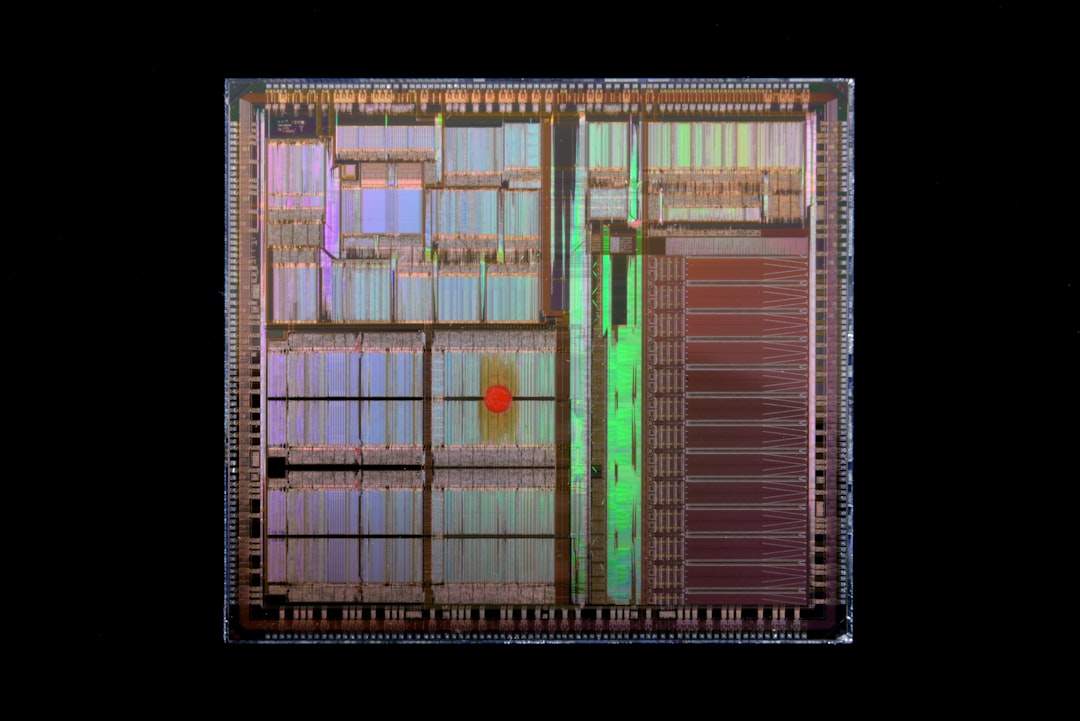
One of the most immediate and surprising challenges to surface is the global helium shortage. You might think of helium as just a party balloon gas, but it’s an unsung hero in high-tech manufacturing, especially in the creation of advanced semiconductors. It’s crucial for cooling ultra-precise machinery, creating inert atmospheres to prevent contamination during chip fabrication, and even in some lithography processes. When helium supply becomes erratic or scarce, it directly impacts the production lines of the world’s most sophisticated chips – the very ones powering the AI revolution. Companies like Nvidia, a titan in AI hardware, rely heavily on a steady supply of these advanced chips for their Graphics Processing Units (GPUs), which are the backbone of AI development and deployment. A hiccup in helium supply isn’t just an inconvenience; it’s a potential bottleneck for the entire AI ecosystem.
Beyond specific material shortages, broader geopolitical tensions add another layer of complexity. The ongoing competition for technological supremacy, trade disputes, and regional instabilities create an unpredictable environment for semiconductor supply chains. South Korea, home to global chip giants like Samsung Electronics and SK Hynix, finds itself at the epicenter of this global tech landscape. These companies aren’t just players; they are foundational pillars, producing much of the world’s memory chips (DRAM and NAND) and advanced logic chips. Their ability to navigate these turbulent waters isn’t just critical for their own success; it’s vital for the stability and future growth of the global artificial intelligence industry as a whole.

1.1. Real Numbers & Global Impact
The impact of these vulnerabilities is far-reaching. Imagine the ripple effect: a helium shortage slows down a fabrication plant, delaying the production of a critical component for Nvidia’s next-generation AI accelerators. This, in turn, pushes back the deployment of AI solutions in various sectors, from advanced manufacturing to healthcare. The burgeoning global quadruped robots market, for instance, which is rapidly moving from experimental stages to commercial operations in demanding environments like oil and gas, defense, and delivery services, depends entirely on a stable supply of robust AI chips. Any disruption translates into slower innovation and higher costs across these vital industries.
Economically, the current landscape adds further pressure. As of March 31, 2026, the US Fed Funds Rate stands at 3.64%. While lower than its peak in 2023-2024, this still reflects a global economic environment where capital isn’t as cheap as it once was, making large-scale investments in new facilities or supply chain overhauls more costly. More directly impacting Korean chipmakers is the USD/KRW exchange rate, hovering around 1509.86. This significantly weakened Won makes importing critical materials like helium, specialized chemicals, and advanced equipment from overseas much more expensive for Samsung and SK Hynix. This increased import cost directly impacts their operational expenses and, potentially, the final price of the chips that power global AI. It’s a double whammy: struggling to secure materials, and then paying a premium for them.
2. Market Winners & Losers
| Company / Player | Current Status | Global Outlook |
|---|---|---|
| Samsung Electronics | World’s largest memory chipmaker, significant foundry player. Actively diversifying supply chains and expanding global manufacturing footprint, including a major fab in Taylor, Texas. Investing heavily in advanced packaging and material recycling. | Positioned for long-term resilience. Their broad portfolio and strategic investments in geographic diversification and R&D for critical materials will likely solidify their leadership in an uncertain global market. |
| SK Hynix | A leader in High Bandwidth Memory (HBM), crucial for AI accelerators. Focused on securing stable supplies of raw materials through long-term contracts and exploring domestic alternatives. Investing in advanced process technologies. | Crucial for the AI memory market. Their specialization in HBM makes them indispensable, but their success hinges on maintaining robust, diversified material supply and optimizing production efficiencies. |
| Nvidia | Dominant in AI GPUs and software platforms. Heavily reliant on advanced manufacturing capabilities of partners like Samsung and TSMC, making them vulnerable to disruptions in chip fabrication (e.g., helium shortages). | High demand for their products ensures continued growth, but their indirect exposure to raw material and manufacturing site risks means they benefit immensely from their partners’ supply chain resilience efforts. |
South Korean chip giants are not standing idly by. They are implementing multi-pronged strategies to future-proof their operations and, by extension, the global AI supply chain.
For Samsung Electronics, diversification is a key pillar. This isn’t just about sourcing materials from more countries; it’s about building entirely new manufacturing ecosystems. Their massive investment in a new foundry in Taylor, Texas, for example, is a direct response to the need for geographic diversification and strengthening supply resilience in key markets. This move lessens reliance on any single region for advanced chip production. Furthermore, Samsung is aggressively pursuing R&D into alternative materials and processes, and exploring advanced recycling technologies, particularly for noble gases like helium, to reduce their overall dependence on primary extraction. This allows them to “close the loop” on critical materials, making their operations more sustainable and less vulnerable to external shocks.
SK Hynix, a global leader in High Bandwidth Memory (HBM) – which is absolutely essential for the high-performance computing required by AI – is also making significant strides. They are actively engaging in long-term contracts with suppliers for critical raw materials, ensuring a more predictable and stable supply stream. Additionally, SK Hynix is investing in domestic capabilities, fostering local suppliers and R&D to build a more robust Korean ecosystem for advanced materials, reducing reliance on potentially volatile international sources. Both companies are also deeply involved in improving manufacturing yields and developing more efficient processes, which inherently reduces material waste and makes their operations more resilient.

2.2. What Should Investors Watch?
For investors, the focus should be on how effectively these companies execute their resilience strategies. Look for announcements regarding new long-term supply agreements, expansions of manufacturing facilities in diversified locations, and breakthroughs in material recycling or alternative process development. Successful implementation of these measures will differentiate the winners in a volatile market. The ability to maintain high production yields and introduce next-generation memory and logic chips on schedule, despite external pressures, will be a strong indicator of robust supply chain management.
3. Final Thoughts from Seoul
The journey of a chip, from raw silicon to a powerful AI accelerator, is incredibly complex and susceptible to a myriad of external factors. From the literal gases used in fabrication to the geopolitical winds shaping trade routes, every step requires careful management. South Korea’s major semiconductor players are not just reacting to these challenges; they are proactively shaping a more resilient future for the global AI industry. Their strategic investments in securing critical materials, diversifying production locations, and fostering domestic innovation are crucial steps in building an AI ecosystem that can truly withstand the “polycrisis.”

What to Expect Next
We can expect a continued push towards greater localization and regionalization of semiconductor supply chains, even as global collaboration remains essential for cutting-edge R&D. More strategic partnerships between chipmakers, material suppliers, and even national governments will emerge to share risks and secure resources. The emphasis on sustainability will also grow, with increased investment in recycling and circular economy models for scarce materials. Furthermore, expect to see accelerated innovation in chip design and manufacturing processes that are less reliant on volatile resources, perhaps even exploring entirely new fabrication methods.
Common Questions Answered
A1. That’s a common misconception! While helium does fill party balloons, its unique properties make it invaluable in semiconductor fabrication. It’s used as a super-cooling agent for the precise machinery involved in lithography (etching patterns onto chips), and also provides an inert atmosphere to prevent contamination during delicate processes. Without it, maintaining the ultra-clean, precise environment needed for advanced chips is incredibly difficult, slowing down or even halting production.
A2. Geopolitical tensions create a complex web of challenges. Firstly, they can lead to trade restrictions or tariffs, making it harder or more expensive for Korean companies to import specialized raw materials or export finished chips. Secondly, regional conflicts or instability can disrupt shipping routes, causing delays in material deliveries. Lastly, a focus on “tech nationalism” can encourage countries to try and develop their own chip industries, potentially leading to competition for talent, resources, and even government subsidies, making the global market more fragmented and less predictable for major players like Samsung and SK Hynix.
More K-Semiconductor Updates |
K-Defense Coverage

Hi, I’m Dokyung, a Seoul-based tech and economy enthusiast. South Korea is at the forefront of global innovation—from cutting-edge semiconductors to next-gen defense technology. My mission is to translate these complex industry shifts into clear, actionable insights and everyday magic for global readers and investors.