
1. The Big Picture: Why This Matters Now
1.1. Global Context
The global green shipping market is projected to reach approximately $350 billion by 2030, driven by stringent decarbonization targets and growing demand for sustainable logistics. Shipping lines are increasingly investing in alternative fuels and energy-efficient designs to meet evolving environmental regulations. This push for cleaner fleets creates significant opportunities for specialized shipbuilders.
International Maritime Organization (IMO) targets, including a 2050 net-zero ambition, mandate significant fleet overhauls. This pressure extends beyond major container ships to all vessel classes, including crucial mid-size segments. The shift is transforming shipyard order books worldwide.
1.2. Korea’s Position
South Korea remains a powerhouse in global shipbuilding, renowned for its technological prowess and efficiency, particularly in high-value segments. While larger yards often dominate headlines, mid-tier players are crucial for ecosystem diversity and specialized capabilities. These firms contribute significantly to the nation’s export-driven economy.
The current USD/KRW exchange rate, hovering around 1461.66, generally favors Korean exporters by making their products more competitive internationally. However, it also presents challenges for importing raw materials and components, requiring careful supply chain management. The US Fed Funds Rate at 3.64 also influences global financing costs for new shipbuilding projects.

2. Market Winners & Losers
2.1. Who’s Pulling Ahead
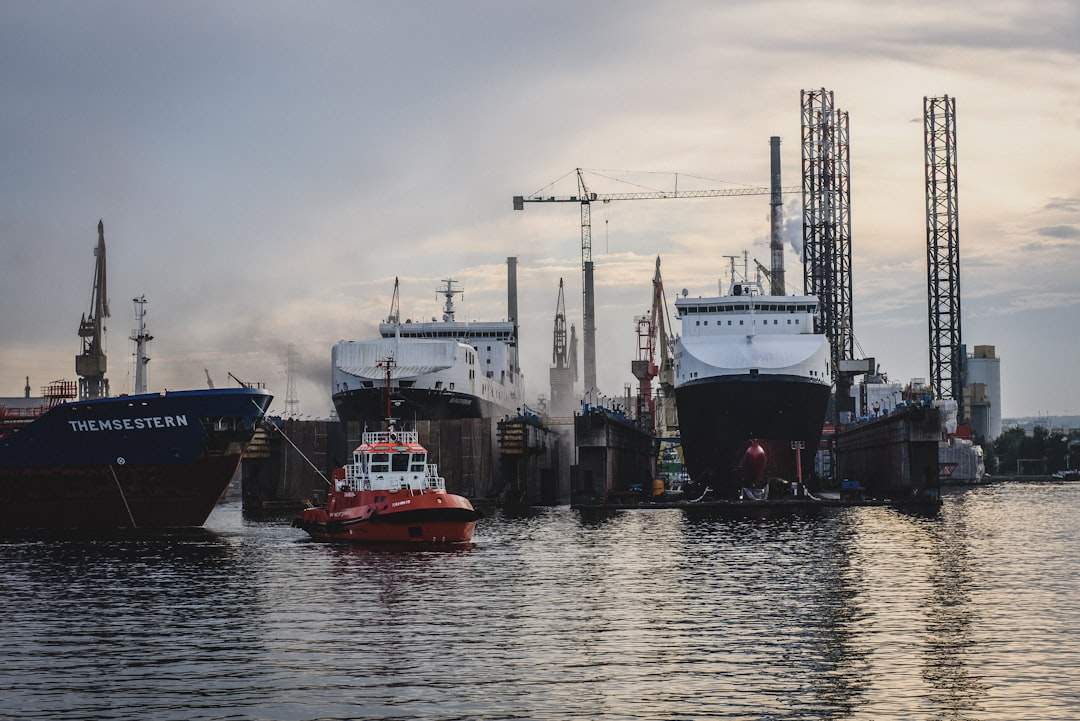
HSG Sungdong Shipbuilding stands out for its deep expertise in mid-size vessel construction Korea, particularly specialized chemical tankers, product carriers, and car carriers. The company has successfully pivoted towards eco-friendly designs, integrating LNG dual-fuel and other green technologies into its offerings. Its order book recently exceeded $1.5 billion, reflecting robust demand for its specialized vessels.
Beyond complete vessels, HSG Sungdong is a global leader in shipbuilding block manufacturing innovation, producing over 400,000 tons of ship blocks annually for various clients, including major Korean shipyards. This capability underscores its integral role in the broader maritime supply chain. Collaborations with companies like Panasia for ballast water treatment systems, NK Co. for high-pressure gas systems, and Hyundai Global Service for green retrofits further solidify its ecosystem connections.
| Company / Player | Current Position | Global Outlook |
|---|---|---|
| HSG Sungdong Shipbuilding | Specialized mid-size green vessel builder, leading block manufacturer. | Strong demand for eco-friendly niche vessels and modular components. |
| Hyundai Heavy Industries (HHI) | Global leader in large, complex vessels, expanding green solutions. | Continued dominance in LNG carriers and large green ship orders. |
| Samsung Heavy Industries (SHI) | Strong in drill ships, FSRUs, and advanced green vessel technologies. | Focused on high-tech, high-value ships and offshore structures. |

2.2. What Investors Should Watch
Investors should observe the continued global adoption of alternative marine fuels, such as methanol and ammonia, which directly impacts demand for specialized vessel types. HSG Sungdong’s agility in adapting its designs to these new fuel types will be a key performance indicator. The company’s unique position in shipbuilding block manufacturing innovation also offers resilience, as it serves both internal production and external demand from other shipyards.
Monitoring the global shipping freight rates and newbuild order trends will provide insights into the overall health of the maritime sector. The continued development of Korean green ship technology and its integration into commercial fleets represents a long-term growth driver. Exchange rate fluctuations, like the current USD/KRW, also bear watching for their impact on profitability.
3. The Bottom Line
3.1. What to Expect Next
HSG Sungdong is expected to continue leveraging its expertise in mid-size vessel construction Korea to capture further market share in specialized green segments. Its strategic focus on advanced manufacturing processes for shipbuilding blocks will likely enhance efficiency and reduce lead times. Ongoing investments in research and development for future green technologies, such as carbon capture and advanced propulsion systems, are also anticipated.
The company’s role as a key supplier of ship blocks positions it well within the broader Korean shipbuilding landscape. This dual capability ensures a stable revenue stream, even as the newbuild market experiences cyclical shifts. Continued innovation in Korean green ship technology will be vital for sustained growth.

Frequently Asked Questions
A1. Korean shipbuilders excel in integrating advanced eco-friendly solutions like LNG dual-fuel propulsion, battery hybrid systems, and carbon capture technologies. Their focus on R&D and high-quality engineering positions them at the forefront of sustainable maritime innovation. This leadership extends to both large and mid-size vessel construction Korea.
A2. Mid-size vessels are crucial for regional trade routes, specialized cargo, and feeder services, connecting major ports with smaller ones. Decarbonizing this segment is essential for achieving overall industry emission reduction targets, making efficient and green mid-size ships highly sought after. Their operational flexibility often makes them ideal for various logistics needs.
A3. HSG Sungdong utilizes advanced automation and precision engineering in its block manufacturing facilities, producing high-quality, pre-fabricated sections of ships. This process significantly improves efficiency, reduces construction time, and enhances the overall structural integrity of vessels. The company’s capabilities support both its own projects and the needs of other major shipyards globally.

Hi, I’m Dokyung, a Seoul-based tech and economy enthusiast. South Korea is at the forefront of global innovation—from cutting-edge semiconductors to next-gen defense technology. My mission is to translate these complex industry shifts into clear, actionable insights and everyday magic for global readers and investors.