고추장·된장·쌈장 비교
Gochujang vs doenjang vs ssamjang
The three Korean pastes side by side: base, salt, heat, when to cook them, when to eat them raw, and the honest substitute abroad.
One soybean, three jars
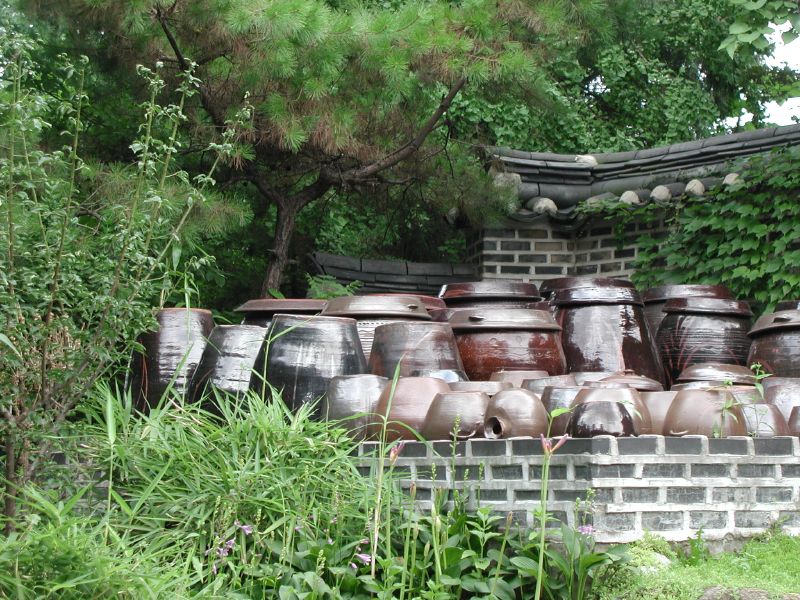
All three start from fermented soybean. 된장 is the soybean solid left after soy sauce is drawn off. 고추장 adds chili powder, glutinous rice, and malt to a soybean base, then ages sweet-hot. 쌈장 is not a fermentation at all — it is a table mix of the other two with sesame oil, garlic, and sugar. If you only learn one thing: doenjang is the deep salt, gochujang is the sweet heat, ssamjang is the dip.
Side by side
| Gochujang 고추장 | Doenjang 된장 | Ssamjang 쌈장 | |
|---|---|---|---|
| Base | Chili powder + glutinous rice + soybean + malt syrup | Fermented soybean solids (from meju) | Doenjang + gochujang + sesame oil + garlic + sugar |
| Taste | Sweet, hot, faintly funky | Salty, earthy, deep umami | Savory-sweet, mild heat, garlicky |
| Heat | Medium (brands vary 1–4 on the Korean 순한맛→매운맛 scale) | None | Mild |
| Salt | Moderate | High — bloom in liquid, never season by the spoon | Moderate |
| Eat raw? | Yes, in bibimbap sauce and dips | Rarely alone; in ssamjang yes | Yes — that is its job |
| Cook it? | Fry briefly in oil or simmer — kills the pasty edge | Whisk into stock; do not boil hard for long | No |
| Typical dishes | Tteokbokki, jeyuk-bokkeum, dakgalbi, bibimbap sauce | Doenjang jjigae, bossam simmer, namul seasoning | Ssam with pork belly, raw cucumber and chili dip |
| Closest swap abroad | None honest; miso + chili paste + pinch of sugar is a sketch | Dark/brown miso (milder, sweeter) | Mix your own from the two jars |
| Fridge life | 1 year+ after opening | 1 year+; darkens, gets deeper | 3–6 months |
| Label hint | 태양초 = sun-dried chili; higher 고춧가루 % = louder | 재래식 = traditional method; expect more funk | Check for 멸치 (anchovy) if vegetarian |
Which jar first
Buy doenjang first if you cook stews and soups; it teaches Korean salt. Buy gochujang first if you want tteokbokki and stir-fries. Skip a pre-made ssamjang tub if you own both — mixing takes one minute and tastes fresher. Working notes: doenjang, gochujang, ssamjang and BBQ dips. Origins: jang — the paste trinity.
Shopping
- gochujang
- doenjang
- ssamjang
FAQ
Is gochujang the same as doenjang?
No. Both start from soybean, but gochujang adds chili and glutinous rice and tastes sweet-hot; doenjang is plain fermented soybean and tastes salty-earthy with no heat. They are not interchangeable in a recipe.
Can I use gochujang instead of ssamjang?
Only in a pinch. Ssamjang is mostly doenjang with a little gochujang; straight gochujang on a pork wrap is too sweet and too hot. Mix 2 parts doenjang, 1 part gochujang, sesame oil, and minced garlic instead.
Is miso a substitute for doenjang?
Dark or red miso is the closest supermarket swap — same fermented soybean idea, but sweeter, smoother, and less salty. Use a little more and expect a gentler stew. Do not use white miso.
Does gochujang need to be cooked?
Not for safety, but a short fry in oil or a simmer in stock rounds off the pasty, raw-flour edge. In bibimbap sauce it is fine raw because sesame oil and vinegar do the same job.
Story behind it
Also read
Updated 2026-09-04