
1. The Big Picture: Why This Matters Now

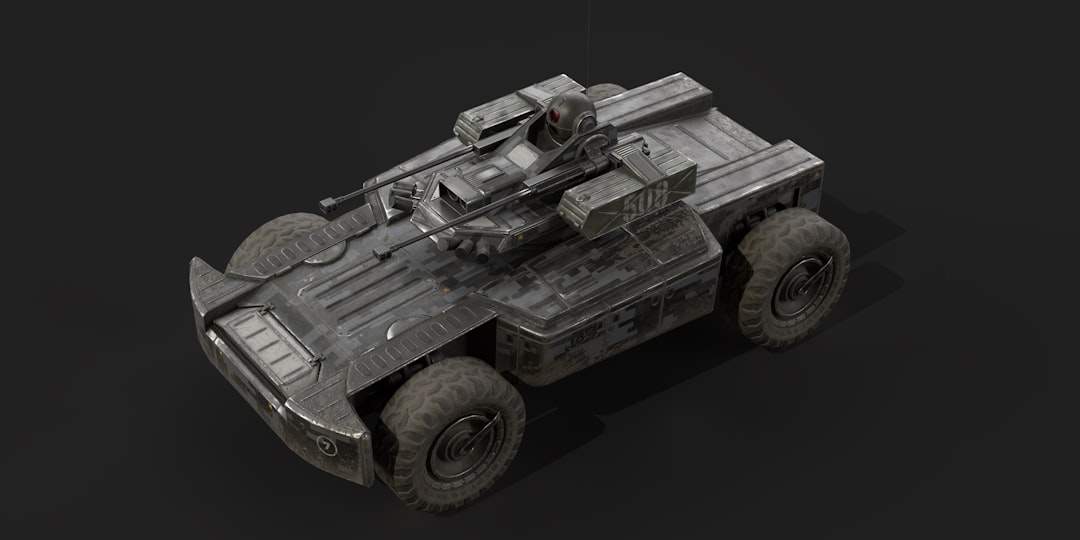
South Korea has long faced a unique and constant security challenge, requiring a significant human presence along its heavily fortified border. But what if the next generation of border security wasn’t primarily human? We’re witnessing a pivotal shift right now, as South Korea pioneers the replacement of human troops with cutting-edge AI systems. This isn’t just about efficiency; it’s about redefining military strategy, enhancing national security, and potentially offering a global blueprint for automated defense. From Seoul, the buzz is all about how this technological leap is reshaping geopolitical security and raising fascinating questions about the future of warfare.
1.1. Real Numbers & Global Impact
The urgency for advanced defense is underscored by the Office of the Director of National Intelligence’s 2026 Annual Threat Assessment, which highlights an evolving global threat landscape. This context makes South Korea’s move particularly timely. The global “Military Wearables Market” is projected to hit USD 5,527.89 million by 2032, driven by soldier modernization. However, South Korea is moving beyond simply augmenting human soldiers; it’s moving towards intelligent, autonomous systems. The “AI in Video Surveillance Market” alone is expected to reach USD 49.02 billion by 2035, a clear indicator of the foundational technology powering these border innovations. With the current USD/KRW exchange rate at 1510.17, the scale of investment in these domestic defense initiatives is significant, reflecting a strong national commitment to leveraging advanced technology for security. Other nations grappling with complex border issues, from remote frontiers to urban surveillance, are watching closely to see how these AI-powered solutions perform in a real-world, high-stakes environment.
2. Market Winners & Losers
This transformation isn’t happening in a vacuum; it’s being driven by key South Korean defense technology companies. These firms are at the forefront of developing the sophisticated hardware and software that make AI-powered border defense a reality.
| Company / Player | Current Status | Global Outlook |
|---|---|---|
| Hanwha Systems | A leader in AI surveillance, intelligent sensors, and robotic systems for border monitoring and rapid response. Actively developing integrated command & control platforms. | Strong potential for export of its automated defense solutions, setting a global benchmark for smart border technologies. |
| LIG Nex1 | Specializes in advanced radar, electro-optics, and integrated defense systems, including AI-powered reconnaissance and precision targeting capabilities. | Leveraging its expertise in smart munitions and integrated platforms to offer comprehensive, high-tech defense solutions to international markets. |

2.2. What Should Investors Watch?
Investors should keep a close eye on these companies and the broader defense technology sector. The “Global Rockets and Missiles Market” is projected to surge to USD 118.24 billion by 2035, indicating a significant and sustained demand for advanced defense capabilities. South Korea’s pioneering efforts in AI border defense position companies like Hanwha Systems and LIG Nex1 for substantial growth, not just domestically, but through international partnerships and exports. The blend of AI, robotics, and advanced sensor technology represents a lucrative intersection of innovation and necessity. For more insights into the sector, be sure to explore our K-Defense category.
3. Final Thoughts from Seoul

South Korea’s bold move to automate its border defense with AI systems is more than just a local solution to a unique geopolitical challenge. It’s a real-time experiment, providing invaluable lessons for other nations contemplating the future of military strategy. The integration of advanced AI, robotics, and sophisticated sensor networks is forging a new blueprint for security that prioritizes technological prowess and minimizes human risk. This proactive approach cements South Korea’s position as a global leader in defense innovation.
What to Expect Next
We can expect continued advancements in AI’s decision-making capabilities, improved sensor fusion, and more robust cybersecurity measures for these systems. The ethical debate surrounding autonomous weapons will also intensify, requiring careful consideration and international dialogue. As South Korea refines its automated border, its experiences will undoubtedly inform global standards and practices for defense technology.
Common Questions Answered
A1. AI systems offer 24/7 vigilance without fatigue, can process vast amounts of data from multiple sensors simultaneously, detect anomalies faster, and operate in hazardous conditions, significantly reducing human risk and improving response times.
A2. Key ethical concerns include the accountability for autonomous decision-making, the potential for unintended escalation, bias in AI algorithms, and the broader implications of reducing human oversight in lethal force decisions. These are crucial points of ongoing discussion.

Hi, I’m Dokyung, a Seoul-based tech and economy enthusiast. South Korea is at the forefront of global innovation—from cutting-edge semiconductors to next-gen defense technology. My mission is to translate these complex industry shifts into clear, actionable insights and everyday magic for global readers and investors.