
1. The Big Picture: Why This Matters Now

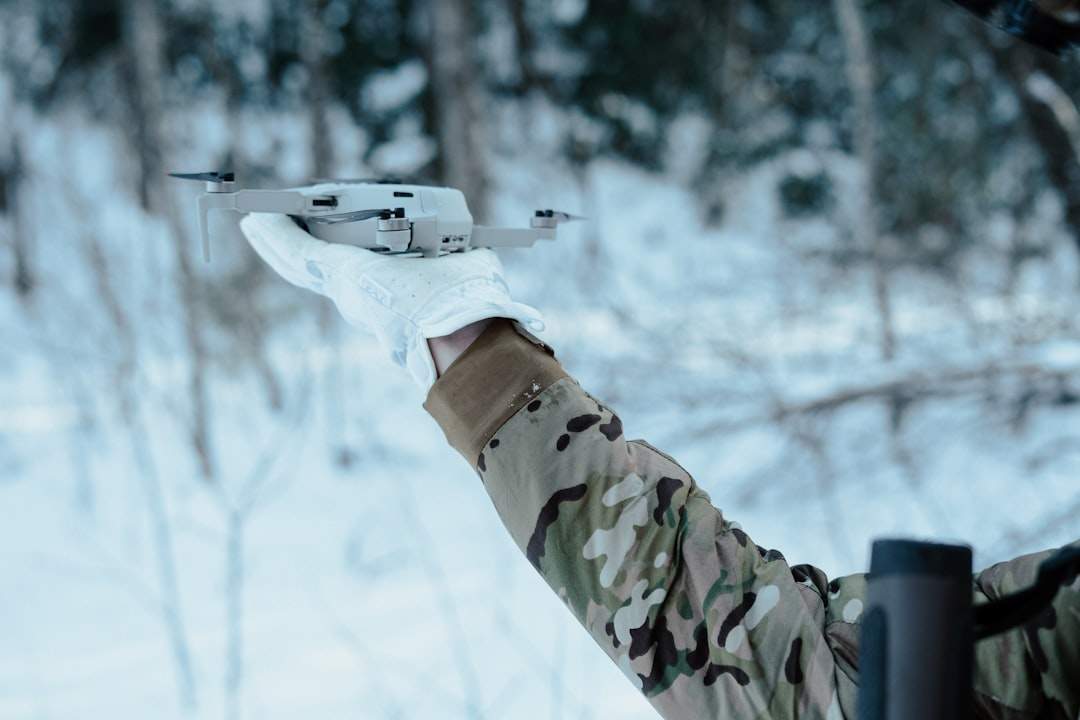
For decades, South Korea’s defense strategy was primarily focused on its immediate border, navigating complex regional dynamics. Fast forward to April 2026, and we’re seeing a significant shift. Seoul is now stepping onto the global stage, not just as a consumer of advanced defense technology, but as a formidable developer and exporter, particularly in the realm of unmanned aerial vehicles (UAVs). This pivot is driven by its highly sophisticated Medium-altitude Unmanned Aerial Vehicle (MUAV) technology and a proactive approach to forging new defense alliances with nations like Canada and Japan. This isn’t merely about selling hardware; it’s about reshaping international security partnerships and contributing to a more balanced geopolitical landscape. The implications for drone warfare, military strategies, and even global supply chains are profound.
1.1. Real Numbers & Global Impact
South Korea’s defense industry is showing remarkable resilience and growth, even as global economic indicators present a mixed picture. The US Fed Funds Rate currently stands at 3.64, influencing global capital flows, while the USD/KRW exchange rate hovers around 1510.17, making Korean exports more competitive. This favorable exchange rate, combined with cutting-edge technology, is fueling South Korea’s defense exports. The nation’s investment in R&D for advanced systems like MUAVs has yielded platforms capable of extended endurance, sophisticated surveillance, and precision strike capabilities, making them highly attractive to allies seeking to modernize their own forces. This strategic foresight positions South Korea as a critical player in the evolving global defense market, as noted by various industry analyses. For a deeper dive into how global defense spending is trending, you can refer to reports from organizations like SIPRI, which consistently tracks worldwide military expenditure.
2. Market Winners & Losers
The rise of South Korean MUAVs has direct implications for key domestic defense contractors, elevating their status on the international stage.
| Company / Player | Current Status | Global Outlook |
|---|---|---|
| Korea Aerospace Industries (KAI) | Leading developer of fixed-wing aircraft and UAVs, including advanced MUAVs. Significant government contracts. | Strong export potential for MUAVs and related systems, especially with new defense pacts. Positioned to be a major global player in military aviation. |
| LIG Nex1 | Specializes in precision-guided munitions, radar systems, and various defense electronics crucial for MUAV operational effectiveness. | Benefiting from MUAV ecosystem growth, supplying critical components and systems. Expanding into international markets through partnerships. |
| Global Drone Manufacturers (e.g., US, Israel) | Established market leaders with diverse portfolios. | Facing increased competition from South Korean innovations, potentially leading to shifts in market share and demand for collaborative ventures. |

2.2. What Should Investors Watch?
Investors with an eye on the defense and aerospace sectors should closely monitor KAI and LIG Nex1. Their continued innovation in MUAV technology, coupled with the strategic expansion of South Korea’s defense alliances, points to robust growth prospects. Partnerships with nations like Canada and Japan aren’t just about selling units; they often involve technology transfer, joint development, and long-term maintenance contracts, creating sustainable revenue streams. The demand for sophisticated, cost-effective drone solutions is only set to increase in a world grappling with evolving security challenges. For those tracking the broader trends in South Korea’s military advancements and their global impact, our dedicated K-Defense category on KoreaPlus-Lifes.com offers regular updates and in-depth analyses.
3. Final Thoughts from Seoul

South Korea’s journey from a nation primarily focused on its immediate defense needs to a global leader in drone technology and defense partnerships is a testament to its innovation and strategic adaptability. The MUAVs are more than just unmanned aircraft; they represent a convergence of advanced aerospace engineering, AI, and data analytics that is redefining surveillance, reconnaissance, and precision strike capabilities worldwide. As Seoul continues to strengthen ties with allies, we can expect to see further integration of its defense technologies into international security frameworks, fostering a new era of collaborative defense.
What to Expect Next
Expect more sophisticated MUAV models with enhanced autonomy and AI integration, alongside an increase in joint defense exercises and technology-sharing agreements between South Korea and its partners. The focus will likely shift towards developing counter-drone technologies and integrating MUAVs into larger networked defense systems, creating a more resilient and responsive global security architecture.
Common Questions Answered
A1. South Korean MUAVs are distinguished by their advanced sensor integration, long endurance capabilities, and sophisticated AI-driven autonomy, offering high performance at competitive acquisition and operational costs.
A2. By fostering closer cooperation and interoperability among allied nations, these pacts enhance collective defense capabilities, promote regional deterrence, and contribute to a more stable international security environment through shared technological advancements.

Hi, I’m Dokyung, a Seoul-based tech and economy enthusiast. South Korea is at the forefront of global innovation—from cutting-edge semiconductors to next-gen defense technology. My mission is to translate these complex industry shifts into clear, actionable insights and everyday magic for global readers and investors.