
1. The Big Picture: Why This Matters Now
1.1. Global Context
The global food processing and packaging automation market is projected to reach over $300 billion by 2030, growing at a compound annual growth rate of 8.5%. This expansion is driven by increasing demand for processed foods, labor shortages, and the imperative for greater efficiency and safety in food production. Smart factories, powered by AI and robotics, are becoming central to meeting these evolving demands globally. More details on the broader automation trend can be found in recent industry reports. (Source: Reuters)
1.2. Korea’s Position
South Korea stands at the forefront of this industrial transformation, particularly in the food sector. K-Food’s soaring global popularity demands sophisticated production capabilities to scale effectively while maintaining quality and authenticity. This creates a strong incentive for companies to adopt cutting-edge Korean food manufacturing technology.
Advanced automation and AI in food production Korea are crucial for meeting export targets and satisfying diverse consumer tastes. The integration of these technologies ensures consistent product quality and enables rapid adaptation to market trends.

2. Market Winners & Losers
2.1. Who’s Pulling Ahead
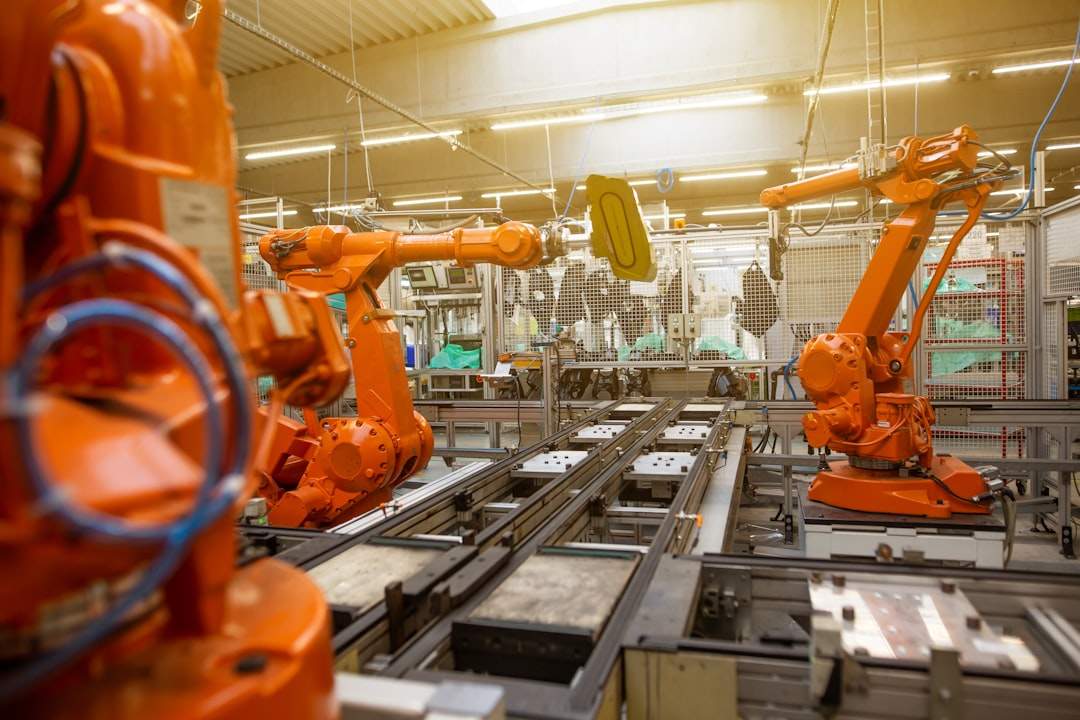
CJ CheilJedang is a prime example of a company leveraging technology to maintain its edge in the competitive K-Food market. The company has implemented AI-driven vision systems for quality control, reducing defect rates by an estimated 15% across several product lines. Robotic arms handle delicate food items, improving packaging speed by up to 20% while minimizing damage.
Predictive maintenance AI monitors equipment, anticipating failures and cutting downtime by 25%. This comprehensive CJ CheilJedang automation innovation strategy enhances operational efficiency and ensures consistent high-quality output for global consumers. Other major players like Samyang Foods and Nongshim are also investing heavily, focusing on automated noodle production and smart logistics systems respectively.
| Company / Player | Current Position | Global Outlook |
|---|---|---|
| CJ CheilJedang | Market leader in K-Food automation, strong R&D in AI/robotics. | Excellent; continuous expansion of smart factories and global presence. |
| Samyang Foods | Significant investment in automated noodle production for export growth. | Positive; leveraging automation to meet soaring global demand for instant noodles. |
| Nongshim | Focused on smart logistics and advanced packaging for global distribution. | Stable; strengthening supply chain through automation, strong brand recognition. |

2.2. What Investors Should Watch
Investors should monitor several key metrics, including capital expenditure on automation, reported efficiency gains, and global market share growth driven by these technological advancements. Companies that demonstrate clear returns on their AI and robotics investments will likely outperform. The synergy between food manufacturers and AI chip developers, such as DEEPX, could also be a significant growth driver for industrial AI applications.
Further insights into Korea’s broader technological advancements, including AI hardware, can be explored here: (Related: K-Tech & Gadgets).
3. The Bottom Line
3.1. What to Expect Next
The trajectory for AI and robotics in the K-Food sector points towards even deeper integration, moving beyond production lines to areas like R&D and supply chain optimization. Expect to see more personalized food production capabilities and enhanced traceability systems. Continued investment in Korean food manufacturing technology will solidify Korea’s position as a global leader in food tech.
Companies like CJ CheilJedang will likely explore collaborations with specialized AI firms and robotics manufacturers to accelerate their innovation cycles. This will drive further advancements in AI in food production Korea, setting new industry benchmarks. The focus will remain on enhancing efficiency, reducing waste, and ensuring food safety.

Frequently Asked Questions
A1. AI improves manufacturing technology through predictive maintenance, optimizing production schedules, and enhancing quality control with vision systems. It significantly reduces waste and increases overall operational efficiency. These advancements ensure consistent product quality for global consumers.
A2. Robotics in food production offer benefits such as increased precision in handling delicate ingredients, faster packaging speeds, and improved worker safety by automating repetitive or hazardous tasks. They also contribute to higher hygiene standards by minimizing human contact with food.
A3. CJ CheilJedang is deploying AI-powered vision systems for quality inspection, robotic automation for packaging and handling, and predictive analytics for equipment maintenance. These strategies are integrated across various global production facilities to streamline operations and enhance product consistency.

Hi, I’m Dokyung, a Seoul-based tech and economy enthusiast. South Korea is at the forefront of global innovation—from cutting-edge semiconductors to next-gen defense technology. My mission is to translate these complex industry shifts into clear, actionable insights and everyday magic for global readers and investors.