
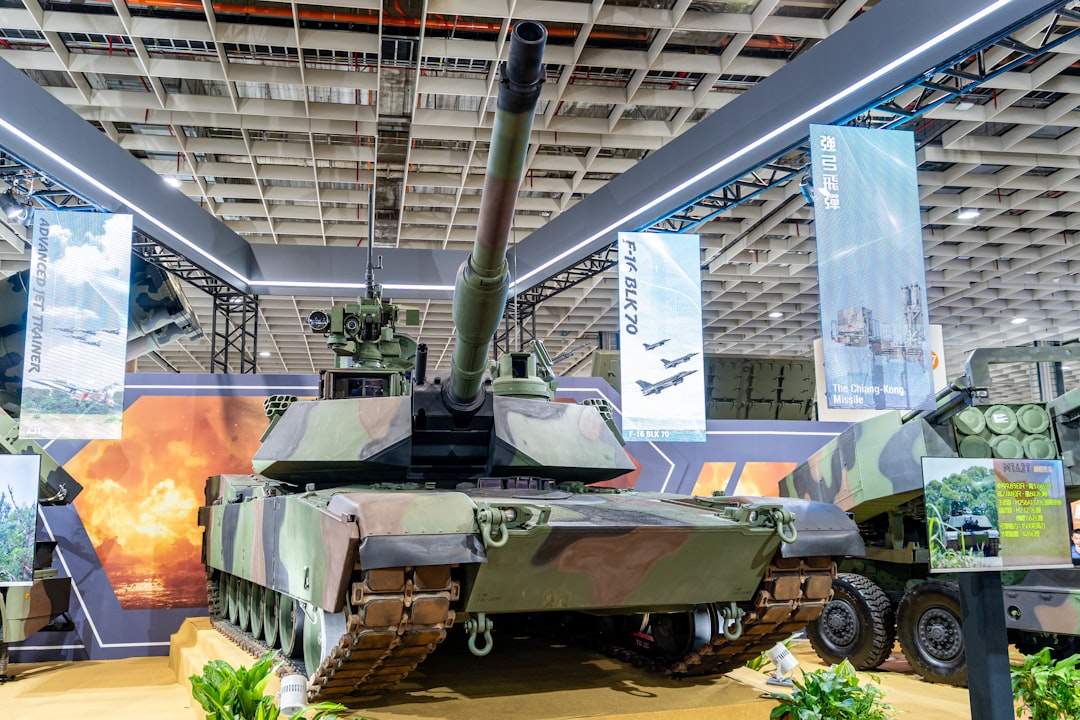
1. The Big Picture: Why This Matters Now

South Korea’s defense industry is no longer just a regional player; it’s a rapidly emerging global powerhouse. With the world navigating persistent inflation and complex geopolitical shifts, the demand for reliable, high-quality, and cost-effective defense solutions has skyrocketed. Seoul-based companies are stepping up, not just with exports, but with deep strategic engagements that are redefining global security partnerships and bolstering economic resilience. From establishing direct foreign subsidiaries in key markets to forging alliances that span continents, the expansion is both broad and impactful.
1.1. Real Numbers & Global Impact
The global economic landscape presents a challenging backdrop. The US Fed Funds Rate stands at 3.64, reflecting efforts to cool inflation, while the USD/KRW exchange rate hovers around 1510.17. This strong dollar environment, coupled with rising global costs, makes South Korea’s competitive pricing and advanced technology even more appealing to international buyers seeking value without compromising capability. A prime example is the ongoing success of the K9 Thunder self-propelled howitzer. Nations like Finland have already integrated the K9 into their defense capabilities, recognizing its proven reliability and NATO interoperability. This trend extends beyond Europe, with strategic partnerships, such as those being explored with Canada, aiming to foster joint development and production, further integrating Korean defense tech into global supply chains. For more on the K9’s global presence, you can read this Reuters article on its European market success.
2. Market Winners & Losers
| Company / Player | Current Status | Global Outlook |
|---|---|---|
| LIG Nex1 | Expanding global footprint, notably with the establishment of its US subsidiary. Focus on precision-guided munitions and advanced missile systems. | Strong growth potential through direct market access in North America, facilitating partnerships and technology transfers, and meeting increasing demand for advanced weaponry. |
| Hanwha Aerospace | Global leader in self-propelled artillery (K9 Thunder), armored vehicles (K21, Redback), and aerospace engines. Securing major deals in Europe and beyond. | Continued dominance in artillery and land systems, diversification into future mobility and space, solidifying its role as a comprehensive defense and aerospace solution provider. |

2.2. What Should Investors Watch?
Investors should keep a close eye on the long-term strategic plans of companies like LIG Nex1 and Hanwha Aerospace. The move by LIG Nex1 to establish a US subsidiary is a game-changer, indicating a commitment to deeper integration with the world’s largest defense market, not just as a supplier but as a partner. This kind of direct foreign investment allows for closer collaboration on R&D, local manufacturing, and streamlined sales, bypassing some of the logistical complexities of pure export models. Similarly, Hanwha Aerospace’s continued success with the K9 Thunder in Europe highlights its ability to meet urgent defense needs with battle-proven, reliable, and affordable systems. These companies are not just riding a wave of demand; they are strategically positioning themselves for sustained growth through innovation and robust global supply chains. For more detailed insights into this sector, check out our dedicated category on K-Defense on KoreaPlus-Lifes.
3. Final Thoughts from Seoul

As of April 11, 2026, South Korea’s defense industry is experiencing a transformative period. Its expansion is a clear response to global security needs and economic realities, offering a compelling alternative in a market traditionally dominated by a few established players. The shift from simply exporting products to becoming deeply integrated through subsidiaries and strategic partnerships marks a new era. This approach not only strengthens allied capabilities but also contributes to global economic stability by diversifying defense supply chains and offering technologically advanced solutions at competitive prices, crucial in an inflationary environment.
What to Expect Next
We can anticipate continued efforts by Korean defense companies to expand their manufacturing and R&D footprint globally, especially in North America and Europe. Expect more joint ventures, technology transfers, and localized production agreements as they seek to deepen integration and responsiveness to client needs. The focus will likely remain on proven systems like artillery and armored vehicles, while also pushing innovation in areas like precision munitions, drones, and cybersecurity.
Common Questions Answered
A1. By diversifying national exports, creating high-value jobs, and providing technologically advanced, cost-effective solutions to global allies, it stabilizes economies and strengthens supply chains, especially in an inflationary environment.
A2. Korean defense products are highly regarded for their proven reliability, advanced technology, competitive pricing, and often, their interoperability with existing NATO standards, making them a practical choice for many nations.

Hi, I’m Dokyung, a Seoul-based tech and economy enthusiast. South Korea is at the forefront of global innovation—from cutting-edge semiconductors to next-gen defense technology. My mission is to translate these complex industry shifts into clear, actionable insights and everyday magic for global readers and investors.