
1. The Big Picture: Why This Matters Now

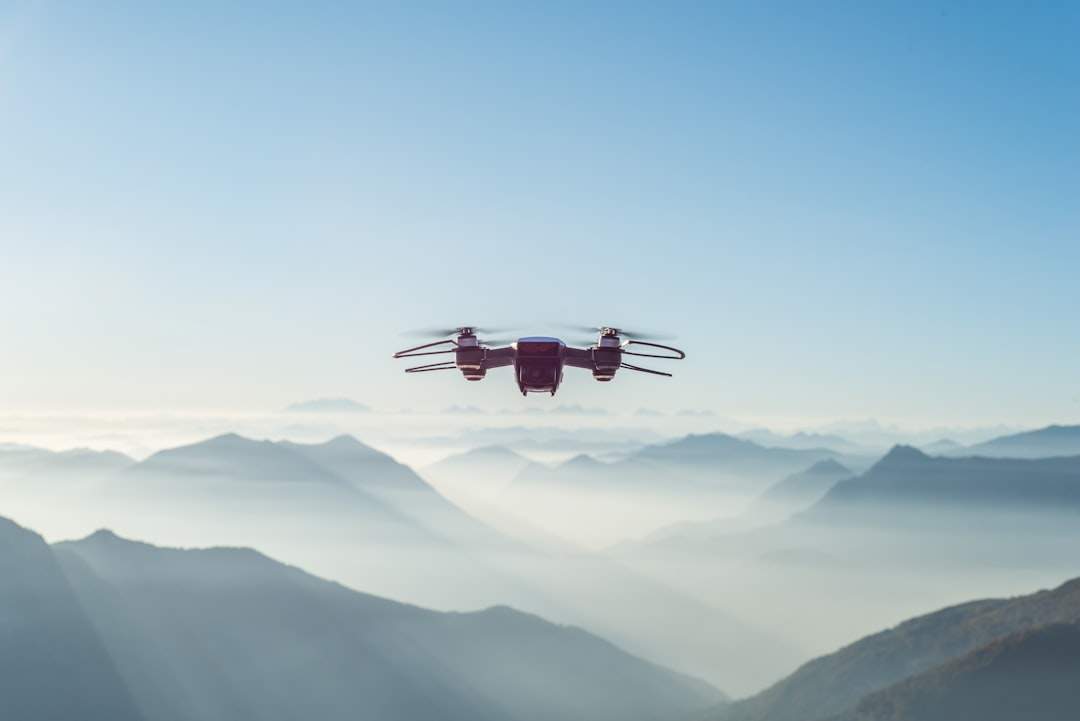
From the vast, icy expanses of the Arctic to the dynamic shores of the Pacific, a significant shift is underway in global security, and South Korea is at its heart. We’re seeing how advanced defense technology, especially South Korea’s next-generation Medium-altitude Unmanned Aerial Vehicles (MUAVs), is quietly reshaping international stability. These aren’t just drones; they represent a leap in intelligence, surveillance, and reconnaissance capabilities. What makes this even more compelling are the recent strategic defense agreements forged with key Western allies like Canada and Finland. These partnerships aren’t merely transactional; they’re foundational, building a new blueprint for security collaboration against complex geopolitical challenges, from cyber risks to regional conflicts, making K-Defense an indispensable player on the world stage.
1.1. Real Numbers & Global Impact
The economic backdrop for these developments is quite interesting. As of today, April 10, 2026, the US Fed Funds Rate stands at 3.64%, indicating a somewhat stable but watchful global economic environment. Concurrently, the USD/KRW exchange rate is at 1510.17. This relatively high exchange rate for the US dollar against the Korean Won can make South Korean exports, including sophisticated defense hardware, more attractive and competitive on the global market, potentially boosting K-Defense’s appeal to international partners seeking value and advanced technology.
Canada and Finland, with their unique geographical and strategic positions – Canada spanning the North American Arctic and Finland bordering key European regions – are looking to enhance their defense capabilities. Their collaboration with South Korea isn’t just about acquiring cutting-edge MUAVs for enhanced situational awareness and rapid response; it’s about integrating advanced, reliable technology into their existing defense frameworks. These MUAVs offer long endurance, high-resolution sensing, and sophisticated data analysis, which are crucial for monitoring vast borders and distant territories. This global trend towards advanced unmanned systems is rapidly transforming modern defense strategies, as detailed by various defense analysts and publications. For a broader understanding of how these systems are evolving, you can explore more about military drones and their role in contemporary warfare.
2. Market Winners & Losers
| Company / Player | Current Status | Global Outlook |
|---|---|---|
| Hanwha Aerospace | A key player in advanced aerospace and defense, developing next-gen MUAV engines and integrated solutions. Recently expanded global partnerships. | Strong growth potential with increasing demand for sophisticated, reliable defense tech, particularly in drone and autonomous systems. |
| Korea Aerospace Industries (KAI) | Leading manufacturer of manned and unmanned aircraft, actively involved in developing advanced MUAV platforms and systems for intelligence and surveillance. | Poised for significant export growth as global demand for cost-effective yet high-performance aerial platforms rises, especially from allies seeking diversification. |
| Traditional Defense Majors | Facing increased competition from agile K-Defense firms offering competitive, advanced solutions. | Need to innovate faster and embrace collaborative models to maintain market share against emerging players. |

2.2. What Should Investors Watch?
For investors, the K-Defense sector, particularly companies like Hanwha Aerospace and KAI, offers compelling opportunities. Both companies are at the forefront of developing these sophisticated MUAVs, which are critical for modern defense. Hanwha Aerospace, with its expertise in engines and integrated systems, plays a foundational role, while KAI leads in the development of the platforms themselves. Their robust R&D pipelines, coupled with strong government support and export-friendly policies, position them for sustained growth. Keep an eye on their quarterly reports for new contract announcements and technology breakthroughs. Furthermore, the broader supply chain, including AI software developers, sensor manufacturers, and cybersecurity firms that support these platforms, also presents indirect investment avenues. This sector’s growth isn’t just about hardware; it’s about the entire ecosystem of advanced technology that powers it. Dive deeper into the specifics of this booming industry by exploring our dedicated section on K-Defense.
3. Final Thoughts from Seoul

What to Expect Next
The strengthening ties between South Korea, Canada, and Finland represent more than just military sales; they signify a growing alignment of strategic interests and technological capabilities among like-minded nations. We can expect to see further integration of K-Defense technologies into Western security architectures, with a focus on interoperability and shared intelligence. This could include joint R&D projects, expanded training programs, and the exploration of new multi-domain defense solutions that combine air, land, sea, and cyber assets. South Korea’s role as a reliable, high-tech defense partner is only set to expand, driven by its innovative spirit and commitment to global stability.
Common Questions Answered
A1. South Korean MUAVs offer a compelling blend of advanced technology, including sophisticated AI integration, extended endurance, and stealth capabilities, all delivered at a competitive cost. Their proven reliability and adaptability to diverse operational environments make them highly appealing.
A2. These partnerships provide Canada and Finland with access to cutting-edge unmanned aerial technology, significantly enhancing their surveillance and reconnaissance capabilities across vast and challenging terrains like the Arctic. They also benefit from diversifying their defense suppliers and strengthening broader Western security through shared technological advancements and strategic collaboration.

Hi, I’m Dokyung, a Seoul-based tech and economy enthusiast. South Korea is at the forefront of global innovation—from cutting-edge semiconductors to next-gen defense technology. My mission is to translate these complex industry shifts into clear, actionable insights and everyday magic for global readers and investors.