Busan is Korea's hot-spring city, and locals treat a bath as maintenance, not luxury. Dongnae has been steaming for over a thousand years; Spa Land put the same ritual inside a department store. Here's how a jjimjilbang actually works, what it costs, and the etiquette nobody explains at the door.
Dongnae Oncheon: a thousand years of hot water
Dongnae Oncheon (동래온천) is Korea's oldest hot-spring quarter — Silla nobles soaked here, and local legend credits a lame crane that flew off healed. A 1766 stone tablet, the Onjeong Gaegeonbi (온정개건비), still records a Dongnae magistrate rebuilding the baths. Japanese developers turned the area into a resort town in the early 1900s, with a streetcar running until 1958.
Today it's an ordinary Busan neighbourhood that happens to steam. Get off at Oncheonjang Station (온천장역) on Metro Line 1 and you're minutes from Hurshimchung, two free outdoor foot baths, and back-street bathhouses where the average age is seventy. The water rises alkaline and salty at roughly 45–56°C.
Your first jjimjilbang, step by step
Nobody explains this at the door, so here it is. The bath floor and the jjimjil floor are two different worlds — one nude and gender-separated, the other mixed and clothed. You carry no money inside: the wristband is your wallet, and you settle the whole tab on the way out.
- Put your shoes in the small locker at the entrance and keep the key or wristband on you.
- Pay at the desk, take your wristband, and add jjimjil clothes if you want the shared sweat floor.
- Head to your gender's locker room and undress completely. No swimwear, ever. Tie long hair up.
- Sit at a shower station and wash thoroughly with soap before you go near a tub.
- Soak, alternate hot and cold, use the saunas, and book a sesin scrub if you want one.
- Rinse, dry off fully, change into the issued shirt and shorts, then go up to the jjimjil floor.
- Scan the wristband for eggs, sikhye and rentals, and pay the total at the exit gate.
Hurshimchung: the deep end of Dongnae
Hurshimchung (허심청) inside Hotel Nongshim is why people say Busan when they mean hot springs — a 1991 hall built for 3,000 bathers with around 40 tubs on real Dongnae spring water: a cave bath, an outdoor bath, cold plunges and herbal baths that rotate with the season.
Adults pay about ₩15,000 on weekdays and ₩18,000 at weekends and holidays, with jjimjil clothes extra; hotel guests get half off. The baths open before dawn and run late, and the jjimjil floor closes earlier than the water does — confirm the current hours and fees on the hotel's official page before you set out.
Spa Land: the four-hour version
Spa Land occupies the first floor of Shinsegae Centum City — the Guinness-record largest department store on earth — on two natural springs drawn from about 1,000 metres down. Twenty-two baths, thirteen themed sweat rooms including salt, charcoal, ice and the blue-tiled Wave Dream Room, plus an open-air foot bath garden.
Your ticket buys roughly four hours; go over and you pay by the hour, though spending a little inside extends it. Adults were around ₩26,000 and students about ₩21,000 at last check, and the tattoo notice is real — full-body or full-limb work can be refused. Elementary age and up only; verify hours before travelling.
Etiquette locals quietly enforce
Korean bathhouses run on one rule: arrive at the tub already clean. Everything else follows from that. Nobody will scold you loudly — the disapproval is quieter than that — but the room notices, and a visitor who washes properly is welcome anywhere.
- Wash with soap sitting at a shower station before entering any tub. A rinse is not washing.
- No swimwear, no underwear, no towel in the water. The small towel rides on your head or the rim.
- Phones and cameras stay in the locker. Photographing anyone is a criminal offence in Korea.
- Tie long hair up and keep it out of the water and off the drains.
- Talk quietly. The baths are where people go specifically not to be spoken to.
- Rinse your stool and bucket for the next person before you leave the station.
- Large tattoos can be refused at some venues; small ones are rarely questioned.
Sikhye, baked eggs and where to go after
The snack is part of the ritual, not an afterthought. On the jjimjil floor you buy sikhye (식혜), a cold sweet rice drink that tastes like liquid relief, and maekbanseok eggs (맥반석 계란) baked slowly in the sauna until they turn beige and faintly smoky. Crack them on your forehead like everyone else, salt them, repeat.
Then eat properly. Dongnae's own dish is pajeon, a thick spring-onion pancake the neighbourhood has served for generations; our eat-like-a-local guide covers dwaeji gukbap for later. Bathing at Centum City instead? Walk over to Gwangalli afterwards — see our night-views and drone-show guide.
📍 The exact spots
Hurshimchung
Hotel Nongshim's cathedral of a bathhouse: roughly 40 tubs on genuine Dongnae spring water, a cave bath, an outdoor pool, seasonal herbal baths and a jjimjil floor. Built for 3,000 people and it still fills.
💡 Come on a weekday morning right after opening — cheapest rate, an empty outdoor bath, and no queue yet at the sesin scrub counter.
Dongnae Oncheon District

The hot-spring quarter around Oncheonjang Station: bathhouse hotels, herbal medicine shops, old pajeon houses and steam drifting out of side streets. Korea's oldest spa town, now a lived-in neighbourhood rather than a resort.
💡 Walk the back lanes between Oncheonjang Station and Hotel Nongshim before your bath — the faded 1970s bathhouse signage is the real sight.
Dongnae Oncheon Outdoor Foot Baths
Two free open-air foot baths flanking Hurshimchung's front gate — Dongnae Oncheon Nocheon Jokyoktang on the left, Dongnae Spatopia on the right. Real spring water, benches, and retirees arguing about everything.
💡 Bring your own small towel, as there are none. Opening hours are short and seasonal — in winter roughly 10:00–16:00, so read the posted board.
Onjeong Gaegeonbi Monument
A 1766 stone tablet sheltered in a small pavilion near Hotel Nongshim's rear gate, raised when the Dongnae magistrate rebuilt the public baths. Proof the ritual you're about to do outlived the buildings around it.
💡 It is a two-minute detour from the foot baths and almost everyone walks straight past. Read the panel, then go soak.
Spa Land Centum City
The polished option: 22 baths on two natural springs, 13 themed sweat rooms, an outdoor foot bath garden, all on the first floor of Shinsegae Centum City. Time-limited entry, no overnight stays.
💡 Start with the outdoor foot bath, then the Wave Dream Room. Note your entry time — the hourly overtime charge catches almost everyone.
Haeundae Spa Center

A plain, cheap neighbourhood bathhouse minutes from Haeundae Beach, on the site of the old Halmaetang, using Haeundae's salty seaside spring water. No theme rooms — just very good hot water.
💡 Perfect after a cold-weather beach walk, but it closes on Wednesdays, the classic wasted trip. Bring your own toiletries.
Dongnae Halmae Pajeon
Four generations of Dongnae-style pajeon: thick with spring onions and seafood, soft and almost custardy in the middle, served with vinegared soy. The traditional thing to eat once you're pink and boiled.
💡 Closed Mondays, and shut between lunch and dinner service — arrive by noon or just after 17:00 to skip the wait.
Oncheoncheon Citizens Park
The stream that gave the district its name, now a long walking and cycling park threading past Oncheonjang. Cherry blossoms in spring, locals power-walking at dusk all year.
💡 Ten minutes of streamside walking after a hot bath is how locals cool down before the metro — better than sitting in the lobby.
💡 Quick honey tips (꿀팁)
- Eat lightly beforehand. Hot water plus a full stomach is how people end up dizzy on the cold-plunge steps.
- Drink water constantly. A twenty-minute soak dehydrates you faster than a July walk outside.
- Alternate hot tub, cold plunge, rest, repeat. Three short cycles beat one long roast.
- Never dive, splash or dunk your head. Hair in the tub is the cardinal sin.
- The wristband is a tab, not a prepaid card — you can overspend, and you pay everything at the exit gate.
- Weekday mornings are near-empty. Sunday afternoons are family chaos. Choose accordingly.
- Take the metro: Oncheonjang Station on Line 1 for Dongnae, Centum City on Line 2 for Spa Land.
- Don't schedule anything for the hour after. Post-bath, everyone in Busan goes soft and slow.
FAQ
Do I really have to be naked?
Yes. The bathing floors are gender-separated and fully nude, and swimwear is banned because it carries detergent into the water. The mixed jjimjil floor is the opposite — everyone wears the shirt and shorts the venue issues. If nudity is a hard no, the free outdoor foot baths in Dongnae still count.
Can I go with tattoos?
Small tattoos are rarely challenged. Spa Land states in writing that full-body, full-arm, full-leg or full-torso tattoos may be refused, and some older Dongnae bathhouses are stricter in practice. If yours is large, ask at the desk before paying, or pick a quiet weekday hour.
Hurshimchung or Spa Land?
Hurshimchung for the water: real Dongnae spring, around 40 baths, an older crowd, no clock running. Spa Land for design and comfort: themed sweat rooms, spotless, easy to pair with Centum City shopping, but time-limited and pricier. Locals bathe at Hurshimchung and take visitors to Spa Land.
Can I sleep overnight at these?
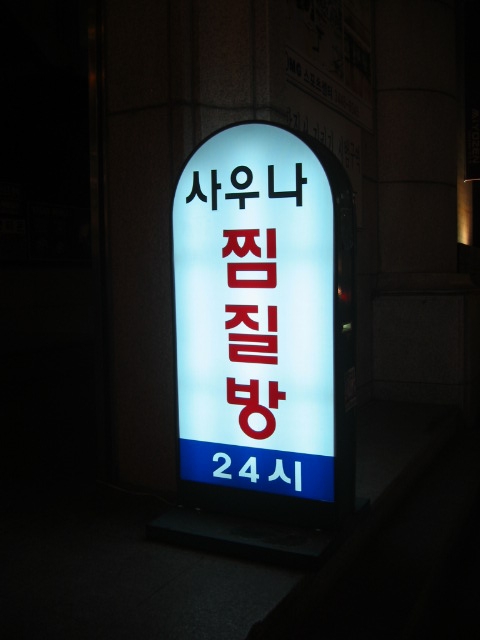
Not at these two — Hurshimchung and Spa Land both close at night, so neither works as a cheap bed. Busan does have 24-hour jjimjilbang, but they are smaller neighbourhood places. Always check the closing time before you plan on sleeping anywhere.
What should I bring?
Almost nothing. Towels are issued or rentable and soap sits at the shower stations. Bring a hair tie, your own shampoo if you're fussy, a card to settle the wristband tab, and flip-flops if you dislike shared slippers. Leave valuables locked up, not on the bath floor.
How much is a body scrub?
A sesin (세신) scrub typically runs about ₩25,000–35,000 for the basic version and more with oil massage, charged to your wristband. Sign up at the little counter inside the bath floor when you arrive, then soak 15–20 minutes first so your skin is ready.
Is it family-friendly?
Yes, with rules. Children bathe on the same-gender side as their accompanying adult. Spa Land admits elementary-school age and up, with elementary-schoolers required to have a same-sex guardian, while Hurshimchung takes younger children. Toddlers should skip the hottest tubs entirely.